


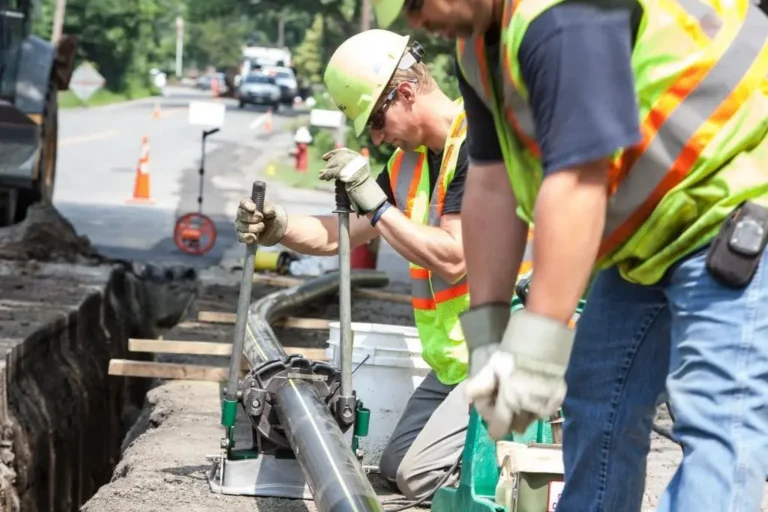
Tradespeople take on some of the most physically demanding work. Whether it’s lifting heavy materials, working in tight spaces, or spending hours bent over a job, these movements add up over time. It’s no surprise that back pain in the trades is a common issue among electricians, plumbers, HVAC technicians, and contractors.
Around Long Island, the pace of work tends to pick up this time of year. Crews are preparing for summer, finishing projects, and keeping up with increased demand. Whether you’re on a job site, moving between service calls, or working through a long list of projects, the physical strain on your body can build quickly. Understanding how these daily demands affect your spine is the first step toward avoiding long-term problems.
Why Back Pain Is Common in the Trades
Most trade work involves repeated movement and positions that put stress on the spine. Think bending under a sink during a service call, lifting equipment in and out of a truck, or reaching overhead for extended periods.
For many tradespeople, especially during busy stretches like spring and early summer, this isn’t occasional. It’s constant. Long days, back-to-back jobs, and physically demanding tasks can wear down the muscles and joints that support the spine.
According to the Mayo Clinic, back pain is often linked to muscle strain and repetitive stress, especially when proper mechanics aren’t maintained.
Over time, that strain can lead to muscle fatigue, joint irritation, and in some cases, more serious issues like disc problems or nerve irritation.
The Movements That Add Up
Most injuries don’t come from one moment. They build over time.
Common stressors include:
- Repeated bending and twisting
- Lifting heavy tools or materials
- Working in confined or awkward spaces
- Overhead work that strains the upper back
On Long Island, this often means long days spent moving between job sites, working in tight residential spaces, or pushing to complete projects before peak summer demand. These movements may feel manageable day to day, but over weeks and years, repetitive mechanical stress can increase the risk of chronic spine pain.
Recognizing the Signs Early
Back pain doesn’t usually start all at once. It often shows up as soreness after a long day or stiffness the next morning.
Over time, it can become:
- Persistent lower back or hip pain
- Tightness after rest
- Pain with lifting or prolonged standing
- Discomfort that travels into the legs
If you notice numbness, tingling, or weakness, it could point to nerve involvement. As outlined by the Cleveland Clinic, these symptoms should be evaluated.
For tradespeople, catching these signs early can make a big difference in staying on the job and avoiding more serious issues.
What You Can Do to Protect Your Spine
You can’t remove the physical demands of the job, but you can reduce how much strain they put on your body.
A few simple adjustments go a long way:
- Lift with control and avoid twisting
- Keep materials close to your body
- Reset your posture when you can
- Take short breaks to relieve pressure
Staying strong and flexible also matters. Basic conditioning is widely recommended by organizations like the American Academy of Orthopaedic Surgeons.
These small habits can help prevent bigger issues over time, especially during long stretches of physically demanding work.
When to Get It Checked Out
If back pain in the trades starts to stick around or interfere with your work, it’s worth getting evaluated. Waiting too long can turn a manageable issue into something more serious.
At Spine Medicine & Surgery of Long Island, we regularly see patients whose work places daily stress on their spine, including those in the trades. Treatment may include non-surgical care, targeted pain management, or minimally invasive spine surgery when needed.
Keeping You Working and Moving
For many people, this work doesn’t slow down. As projects ramp up and schedules fill, taking care of your body becomes even more important.
Pay attention to how your body feels, make small adjustments where you can, and don’t ignore pain that isn’t improving.
Addressing it early can help you stay strong, mobile, and doing the work you rely on.
